

Crafting Digital Presentations
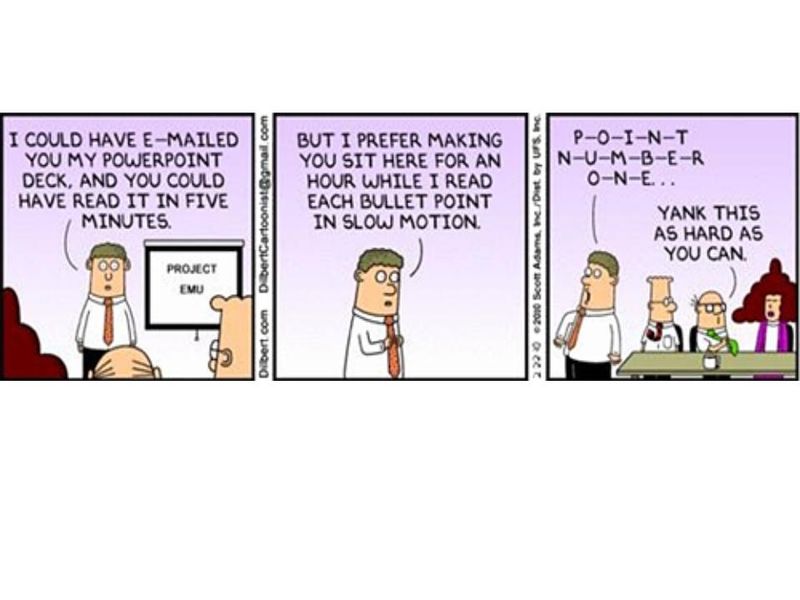
Crafting digital presentations requires practitioners to develop visually aesthetic and meaningful presentations, which appeal to consumers who are immersed in high definition graphics and animations. Presentation software has made leaps and bounds compared with its clunky predecessors, and presentations are much more accessible through the use of web-based programs. Unfortunately, many presenters revert back to the simple presentation software of old when tasked to present. Likewise, most students are too timid to reach beyond the traditional slide presentation, or teachers limit the creativity of the students by requiring the students to use a specific program. Fortunately, presenters have a variety of tools from which to choose; however, crafting digital presentations requires the presenter to be intentional. Presenters must move beyond the pre-packaged templates and develop presentations that use visually dynamic photos, appealing typography, and fluid transitions. Likewise, they must ensure that each of these components works in unison to enhance the message of the presentation, taking all appropriate measures not detract from the information. Digital presenters cannot expect to be expert presenters by simply choosing a dynamic presentation tool; rather, they become expert digital presenters by crafting a presentation that makes a lasting impression on the audience. Specifically, digital presenters should strive to increase the “stickiness" of their presentation by being attentive to the craft of their presentations.
Hicks (2013) argued, “There is no use for ‘power pointless’ presentations" (p. 61). Successful presenters understand that the information that is presented should take center stage; the mode through which the information is presented should enhance the presentation. Often times, students get bogged down with the various functions of the presentation software, creating presentations that distract from the overall message. Effectively, these types of presentations do not leave a lasting impression- at least not a positive one. Hicks (2013) suggested following Dan Heath’s principles to create presentations that are “sticky." Using these principles as a lens, digital presenters can take a holistic view of the presentation by examining how each component of the presentation lends itself to enhance the overall meaning of the intended message.
Specifically, digital presenters must strive to make their presentations concrete by providing specific examples and avoiding abstractions (Hicks, 2013). Heath (2010) explained the concept of concrete by providing an example of concrete for a math class in which a teacher brought in crickets to provide a concrete example of a function. The teacher asked the students to predict how much crickets would chirp when increasing the temperature in the room. The students developed their hypotheses, and the teacher conducted the experiment. After collecting the data, the students graphed the information, allowing them to construct a visual representation of the function they had created. This experiment provided them a concrete example of a function, which until then was an abstract idea. This example is available as a free resource for educators on Dan Heath’s website, heathbrothers.com Digital presenters must make their messages concrete, so the consumers are able to digest and see the information that is presented.
Likewise, digital consumers should provide credibility by illuminating the context of the data and facts in a presentation. Heath (2010) argued that providing credibility to a presentation is to simply follow the “seeing is believing" adage. Often times in presentations, credibility comes from demonstrations or video of first-hand experiences. Both the demonstration and first-hand experience provides an opportunity for consumers to put themselves in the “steering wheel" of the presentation. They are able to see the information from a lens, which provides a first-hand experience. Consequently, their own personal experience with information provides credibility for the speaker.
Lastly, the digital presenter should be a great storyteller. Hicks (2013) uses TED Talks as mentor texts for which presenters should model their presentations. Each TED Talk presenter is a master storyteller who integrates factual data with emotional appeal of a narrative. They all have the ability to engage the listener in a way that encourages them to become invested in the discussion by appealing to the viewers emotions while keeping the message simple. The idea of storytelling is best demonstrated through an actual TED Talk presentation by, which is embedded to this post (Colombo, 2016) .
Although this is not a complete review of the principles of “stickiness," it does provide a starting point from which digital presenters can begin their craft. A more detailed review of the “stickiness" principles can be found on the digital presentation posted to his blog entry. Regardless of drafting a digital text or a presentation, digital writers and presenters must pay careful attention to their craft, examining the piece holistically.

References
Colombo, G. (2016, June). Capturing memories in video art. [Video file]. Retrieved from https://www.ted.com/talks/gabriel_barcia_colombo_capturing_memories_in_video_art#t-108859.
Heath, C. & Heath, D. (2010). Teaching that sticks. New York, NY: Random House.
Hicks, T. (2013). Crafting digital writing: Composing texts across media and genres. Portsmouth, NH: Heinemann.
Posted on June 16th, 2016
Crafting Digital Literacy

References
Posted on June 10th, 2016